Advancing College & Career Readiness: A Blueprint for School Board Policy

Local school systems must adopt strong, lasting policies that help ensure that all students have access to clear pathways to college, careers, and well-paying jobs after graduation

March 23, 2026 by EdTrust-Texas
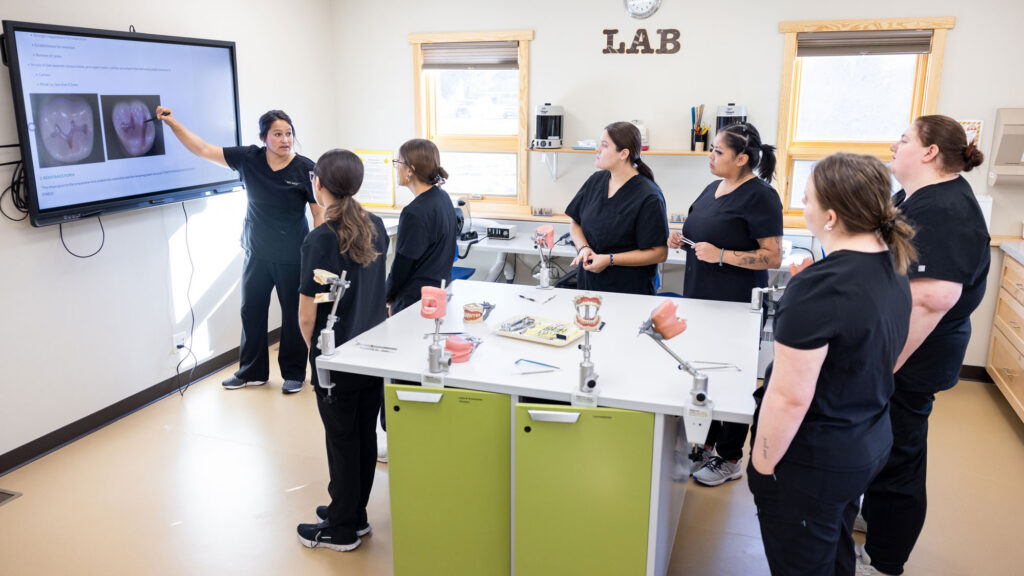
Instructor using a computer display to teach a class in a dental lab on a college campus.

Every student deserves to graduate high school with the knowledge and skills necessary to succeed in college, the workforce, and life. A strong education is a necessary foundation that opens doors for our students; however, many students do not complete a college or workforce credential that leads to a living wage within six years after graduating high school.

To make the vision of post-high school success a reality, local school systems must adopt strong, lasting policies that help ensure that all students have access to clear pathways to college, careers, and well-paying jobs after graduation.

Local Policies That Drive Results

College, career, and military readiness (CCMR) ensures that students are prepared to succeed in the next step of life after high school — whether enrolling in a higher education institution, completing a workforce-aligned credential in a high-demand field, and/or enlisting in the military. Improving CCMR for every Texas student is central to meeting the state’s strategic goals for Building a Talent Strong Texas.

Students in Texas have multiple pathways to demonstrate readiness. To ensure strong outcomes, districts must make strategic investments and prioritize the programs and supports that most effectively prepare students for long-term success. With the passage of House Bill 3 in 2019, school districts are now eligible for additional funding based on their ability to support CCMR outcomes using a slightly more rigorous standard than the state’s accountability system, which focuses on preparing students for both college and career.

Together with our partners, we have developed a model policy suite designed to ensure that graduation leads to real opportunity for every student. These policies focus on five key areas for local school systems leaders to improve CCMR outcomes.

Summary of Local Policies that Drive Results

1. Access to Advanced Coursework

Advanced coursework helps students build strong academic skills, earn college credit, and prepare for college and career. However, access to advanced coursework often depends on where a student attends school or whether families know how to opt in to these courses.

The Policy: This model policy automatically enrolls high-achieving students who demonstrate readiness into advanced courses, including dual-credit, in core high school subjects based on their academic record. It also expands access to free dual-credit opportunities and requires a baseline set of advanced courses to be offered across the school system.

Advanced Coursework Model Policy

The Impact: Automatic enrollment removes barriers like human bias that prevent many capable students from accessing the challenging learning opportunities they deserve. Too often, parent pressure or teacher recommendations are required to help students access advanced coursework opportunities. Strong academic experiences give students a much better chance of earning a credential and a living wage, and that shouldn’t be left up to chance.

2. College and Career Advising

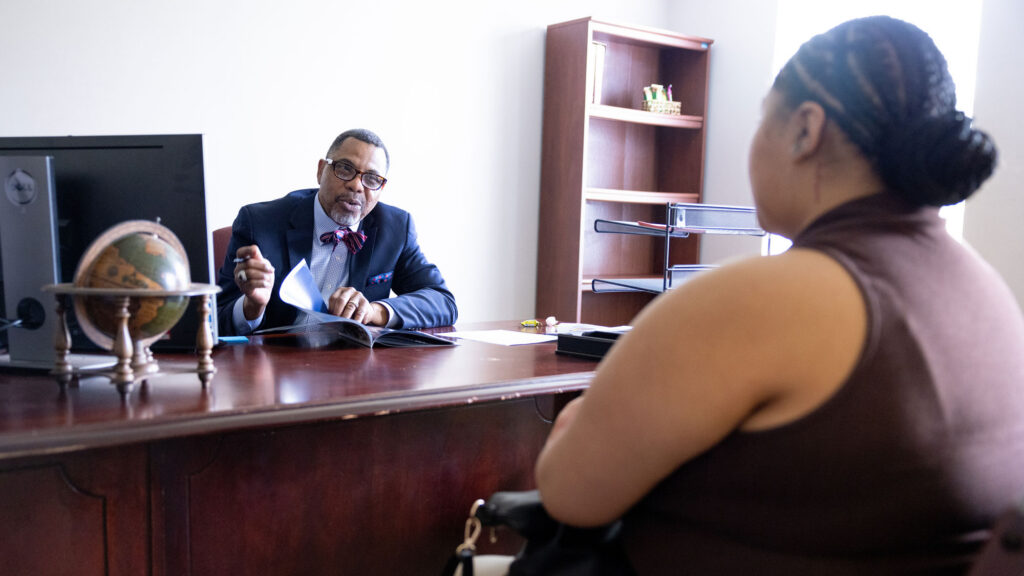
Students do best when they have guidance early and often as they plan for life after high school.

The Policy: Our model establishes a continuous advising system from elementary through high school, combining early career exploration with individualized support.

College and Career Advising Model Policy

The Impact: By setting a manageable student-to-advisor ratio, the policy ensures students receive guidance aligned to graduation, college and career pathways, and proven opportunities like advanced coursework and work-based learning.

3. High-Quality Career and Technical Education (CTE)

Every student should have access to a diverse set of high-quality pathways aligned to meaningful college and career opportunities that lead to a living wage.

The Policy: School systems must align CTE programs to high-demand, high-wage careers using job market, student outcome, and industry trend data. The policy also protects students by requiring transition plans to ensure that students can complete a full program of study without interruption.

CTE Model Policy

The Impact: Codifying this commitment ensures pathways are sustained, regularly evaluated, and aligned to the workforce students will enter after graduation.

4. Aligning Goals to Resources

Clear, ambitious college and career goals keep the district focused on strategies that lead to results for all students and allow the community to track progress over time.

The Policy: Each year, as we note in our model policy, the school system must demonstrate how funding decisions advance its goals and publicly report progress on key indicators like credential attainment, financial aid application completion, and postsecondary enrollment.

CCMR Goal and Resource Alignment Model Policy

The Impact: Aligning budget decisions to these goals ensures resources are invested transparently and accountably in the strategies that best support student success.

5. Reinvestment in Student Readiness

State funds tied to student CCMR outcomes should be reinvested where they have the most impact. Currently, state law only requires districts to spend 55% of these funds on college and career readiness.

The Policy: This proposal commits school systems to reinvesting at least 90% of state CCMR Outcomes Bonus funds back into programs and strategies proven to improve these student outcomes.

CCMR Outcomes Bonus Reinvestment Model Policy

The Impact: By directing these dollars toward effective advising, high-quality coursework, and career pathways, school systems can expand opportunity and strengthen preparation for even more students.

Take Action

Strong policies create lasting change, but they only move forward with public support. Join us in advocating for the future of our students.

You can take action today by:

  • Emailing your school board trustees to express your support for these model policies
  • Speaking at a school board meeting to share why these policies matter for students, families, and our community
  • Sharing with your network to build broad community backing for policies that create opportunity after high school

For more context on our ongoing work to improve student outcomes across the state, please explore our previous research and data analysis.

Photo by Allison Shelley/Complete College Photo Library