

Education is on the Ballot. So are the Choices That Shape Students’ Lives
Questions every voter should ask candidates before heading to the polls
 October 08, 2026 by Ciara Hart


Questions every voter should ask candidates before heading to the polls
October 08, 2026 by Ciara Hart
Think about the last time a student brought home a book they could not wait to finish. Or the relief a family felt when a school counselor helped them see a path to college. Or the teacher who finally had enough time and support to reach every student in the room.
Those moments may seem far removed from an election. They are not.
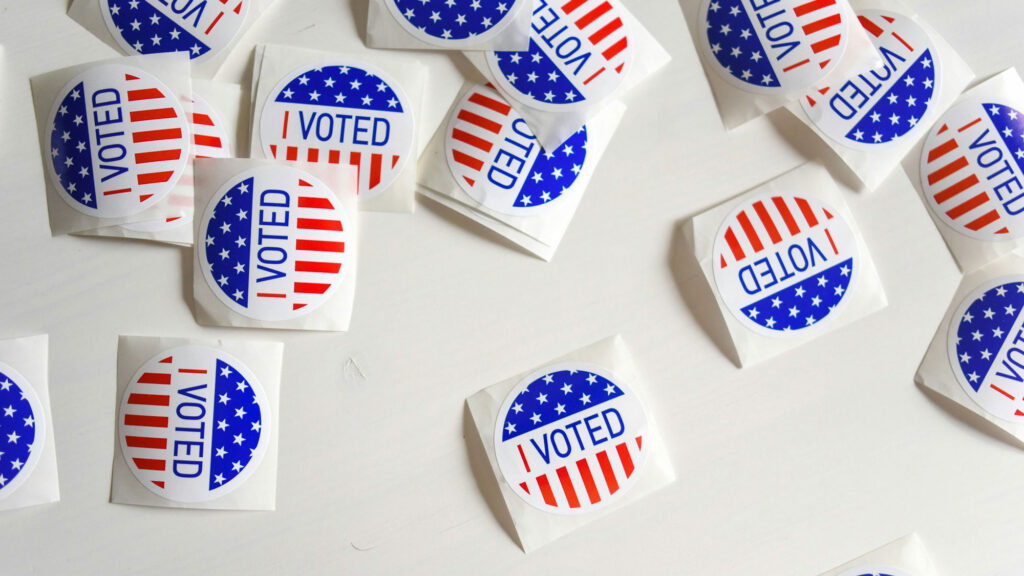
Public decisions help determine whether schools have the resources, educators, and opportunities to make moments like these possible. When we vote, we choose leaders who will make many of those decisions and, in some places, weigh in on measures that shape public education. Education is on the ballot.
School boards, state legislatures, governors, and Congress have different responsibilities. Voters must look beyond campaign slogans and ask what each candidate proposes to do with the authority of the office they seek. Students’ educational futures depend on them.
Start with fair funding. A school’s needs do not disappear because a budget is tight. Students need excellent educators, high-quality instructional materials, safe facilities, and support that reflects their circumstances. Ask candidates how they would fund public schools, how they would direct resources to students who need more support, and how they would measure success. A promise to “support schools” should come with a plan and a budget. An unfunded promise is no promise at all.
Then ask about literacy. Reading opens doors throughout a student’s education and beyond. Students deserve effective instruction, timely help when they struggle, and access to books that invite them to explore the world and see themselves reflected in it. Ask what a candidate would do to strengthen instruction and educator preparation. Ask how families would learn whether students are making progress. Ask what would happen when a student needs more support.
Look, too, at pathways. An excellent education should expand a student’s options, not limit them. That includes access to challenging coursework, trustworthy advising, and affordable routes to college and meaningful careers. Ask how candidates would expand those opportunities, especially where access has been uneven. A student’s ZIP code or family income should not determine how many doors are open after graduation.
And ask whether every student can belong and succeed. Families want schools where students are safe, welcomed, and able to learn. That includes students with disabilities, multilingual learners, and students from communities that have too often been denied opportunities. Ask candidates how they would ensure students receive the support they are entitled to and how they would engage with families and educators affected by their decisions.
The most useful question may be the simplest: How will we know? A good plan describes what will change, who is responsible, and how progress will be measured. Listen for specifics. Read candidates’ published positions, watch or attend candidate forums when you can, and compare their answers. If your ballot includes an education measure, read the official description and the full proposal before deciding. A compelling headline rarely tells the whole story.
You do not have to become a policy expert to cast an informed vote. You can start with what matters to students in your community. Talk with families, students, and educators. Learn which offices and measures are on your ballot.
Check your voter registration, voting options, and deadlines through your state election office. Vote.gov can help you find your state’s information.
After Election Day, keep asking questions. Follow the budget. Attend a public meeting. Ask elected officials how their promises are translating into resources and opportunities. Students will live with the consequences of these decisions long after campaign signs come down.
At EdTrust, we believe public education should create excellent opportunities for every student, from preschool through college. That belief is why we encourage voters to pay attention, compare plans, and make their voices heard. Your ballot affects what happens in classrooms. Know what is on it, ask what each candidate will do, and make a plan to vote.
This is a nonpartisan voter education campaign. EdTrust does not support or oppose candidates for public office.
Photo by Element5 Digital on Unsplash