

Second Chances Require Investment — Not Contradiction
Access to education during incarceration is one of the most reliable pathways to economic stability after release
 April 30, 2026 by William Freeman III


Access to education during incarceration is one of the most reliable pathways to economic stability after release
April 30, 2026 by William Freeman III

Second Chance Month calls on us to believe in opportunity, but belief alone does not create it. The policy choices being made right now will determine whether that opportunity is real or out of reach. We often name the barriers people face after incarceration — limited employment options, housing instability, and stigma — yet we fall short of making the sustained investments needed to change those outcomes.
For nearly 2 million people incarcerated in the United States, access to high-quality education during incarceration is one of the most reliable, research-backed pathways to economic stability after release. Education improves outcomes, reduces recidivism, and helps restore a sense of direction and purpose. Still, access to these programs is inconsistent, underfunded, and unavailable to many who seek them.
Pathways must be built to last — from incarceration through reentry and into sustained opportunity.
The restoration of Pell Grant eligibility for incarcerated students through the recently simplified FAFSA was an important milestone. But eligibility alone does not create access. Too many facilities lack the capacity — staffing, infrastructure, and institutional partnerships — to deliver meaningful postsecondary education at scale.
At the same time, policy developments on Capitol Hill are moving in ways that could weaken these gains. The One Big Beautiful Bill Act (OBBBA), signed into law last summer, erodes protections for millions of people while including large tax cuts for big corporations and the wealthiest Americans. OBBBA made drastic cuts to Medicaid and SNAP and changed education policy in a way that will limit access, resources, and protections for students who need them most.
Reentry is rarely linear. It is often marked by inconsistent employment, income instability, and structural barriers that make it difficult to maintain financial footing. For many returning citizens, the ability to temporarily pause student loan payments during hardship is essential to staying on track. Without that flexibility, higher education can quickly shift from an opportunity to a financial strain.
What emerges is a system where access to education in prisons is limited, and even those who get access cannot continue their academic journey when they leave as education becomes financially out of reach.
This tension is not incidental — it reflects a broader disconnect in policy. While investments are being made to expand education inside correctional settings, other proposals risk limiting affordability and flexibility once individuals return home. The pathway begins to open in one place while narrowing in another.
Meanwhile, prison education programs themselves remain fragile. Without sustained funding and implementation support, Pell restoration alone will not ensure widespread, high-quality access. Programs continue to face resource constraints, and in many facilities, the demand far exceeds available seats.
These barriers are not evenly distributed. Black and Latino individuals — who are disproportionately impacted by the criminal legal system — are also more likely to face limited access to educational opportunities while incarcerated. This compounds existing inequities, restricting access to one of the most effective tools for long-term mobility.
If we are serious about second chances, policy must move beyond fragmentation.
Education during incarceration cannot be disconnected from the policies that shape access and affordability after release. Pathways must be built to last — from incarceration through reentry and into sustained opportunity.
The Pell Grant program is facing a projected shortfall of $17 billion. If Congress fails to act, policymakers may be forced to reduce award amounts or make eligibility changes that could impact incarcerated learners. Congress should also invest in the infrastructure required to expand high-quality prison education programs, while improving coordination across education, workforce, and reentry systems. This is a question of how these systems are designed and how they can be leveraged to help our nation’s students.
Second chances require more than access; they require alignment. Expanding opportunity in one part of the system while weakening it in another undermines the very outcomes we aim to achieve.
If we want safer communities and a stronger economy, we must ensure that education — both inside and outside prison — is not just available, but attainable.
Access alone is not the goal; what matters is whether it leads to mobility, stability, and a sustainable future.
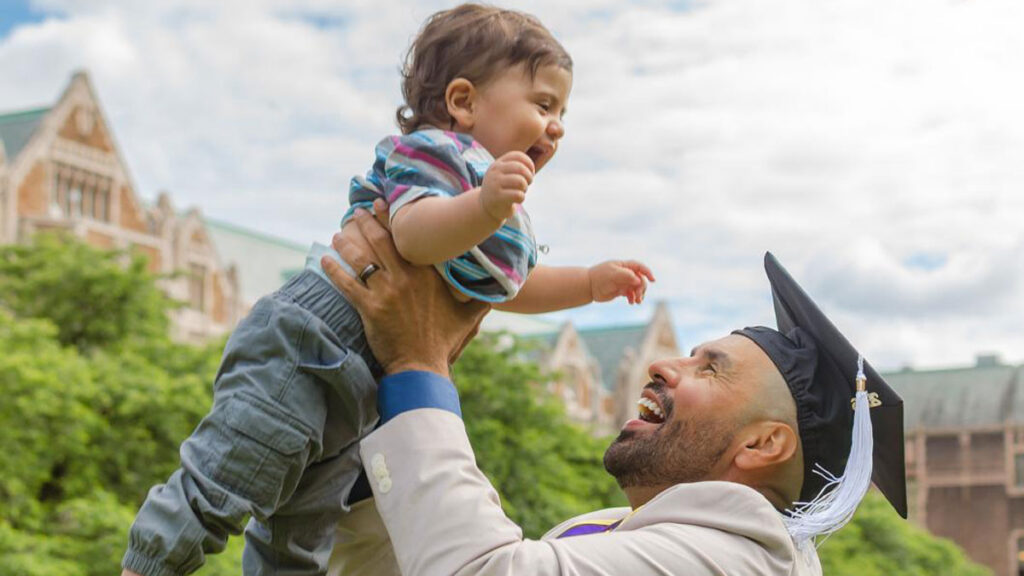 September 25, 2026 by Benjamin Villegas-Brockie
 On fatherhood, reentry, and what higher education asks student-parents to carry and the sacrifices they make
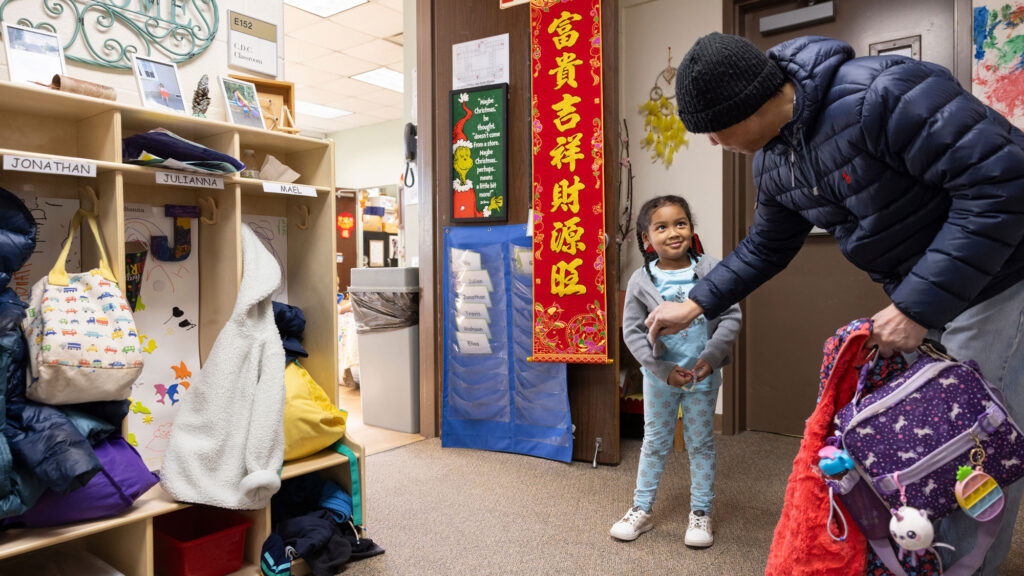 September 25, 2026 by Omari Amili
 The road to college success from a Justice Fellow who was formerly incarcerated and a student-parent facing multiple obstacles. Nevertheless, he persisted
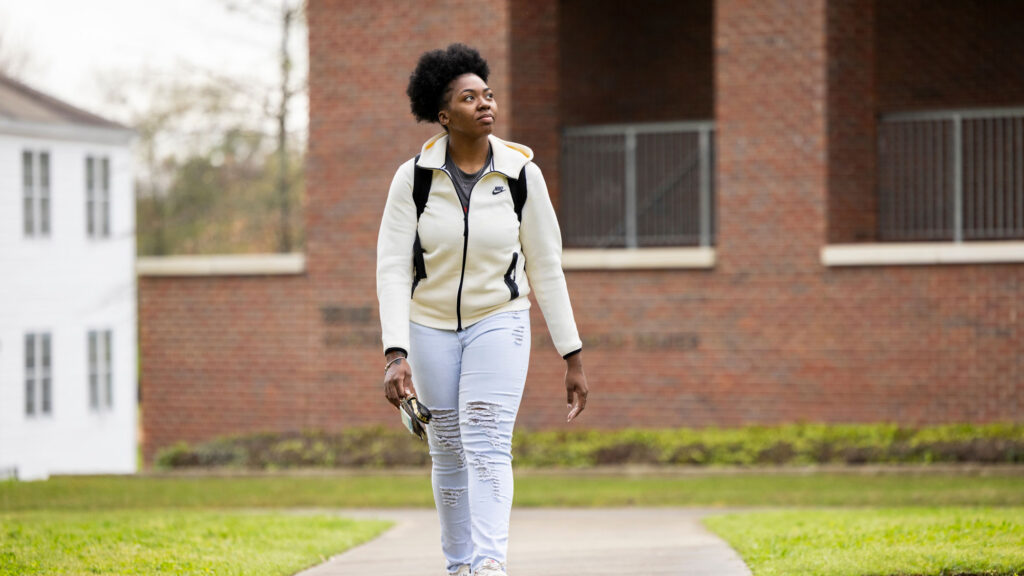 August 24, 2026 by Jovanda Irving
 Federal Work-Study is more than financial aid. It’s an investment in college students’ futures by giving them real work experience