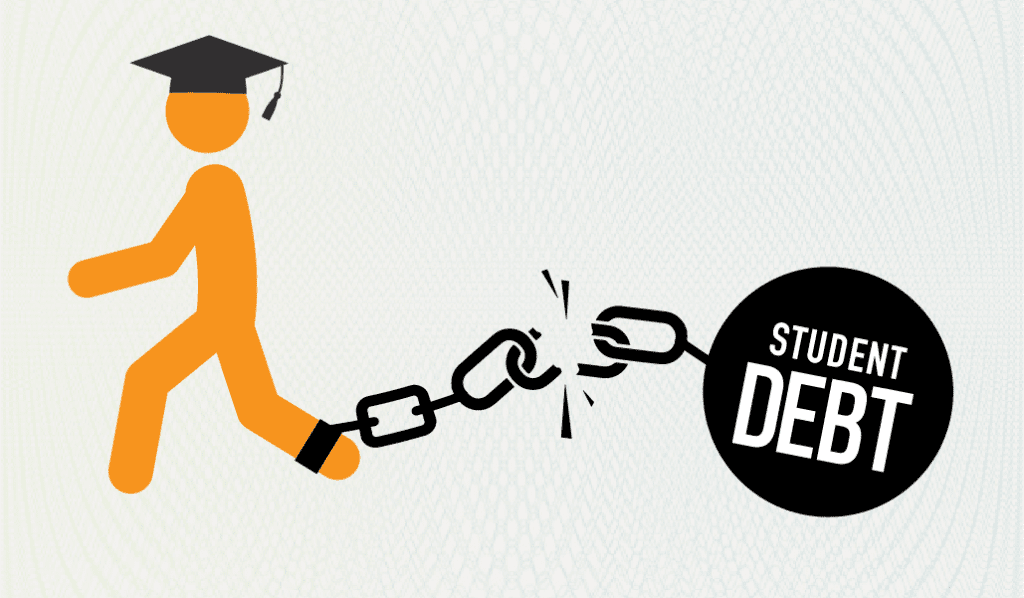
The Repayment Assistance Plan (RAP) is an income-driven student loan repayment plan for federal student loan borrowers that launched July 1, 2026. Established by the One Big Beautiful Bill Act (OBBBA), RAP is a less affordable repayment option for the nation’s more than 43 million student loan borrowers.
While RAP will simplify the student loan repayment process and provide borrowers with interest relief, monthly payments are expected to significantly increase, and the extended repayment timeline would effectively eliminate a pathway to student loan forgiveness for millions of borrowers.
RAP’s July 1st launch coincided with the termination of the remaining income-driven repayment (IDR) plans for new borrowers, including the Biden-era Saving on a Valuable Education (SAVE) Plan, a more generous loan repayment plan described as the “most affordable repayment option ever created.”
While RAP will simplify the student loan repayment process and provide borrowers with interest relief, monthly payments are expected to significantly increase, and the extended repayment timeline would effectively eliminate a pathway to student loan forgiveness for millions of borrowers.
RAP Overview
Simple Payment Scale
- Monthly payments are determined based on the borrower’s income and number of dependents
- Monthly payments are between 1% to 10% of a borrower’s adjusted gross income for the prior tax year, rather than discretionary income, like under the SAVE plan and other income-driven repayment plans
- Requires a minimum monthly payment of $10, unlike other income-driven plans, which can have a minimum monthly payment of $0
Interest Relief and Affordability Efforts
- Borrowers pay $50 less each month for every dependent they have, which is less generous than how traditional IDR plans account for dependents
- Waives unpaid monthly interest when borrowers make on-time monthly payments
- Matches principal payment of up to $50 each month in instances when on-time payment does not reduce the principal by at least $50
Eliminates Loan Forgiveness
- Effectively eliminates federal student loan forgiveness by extending on-time monthly payment requirements
- Remaining loan balances are discharged only after the borrower makes 360 months of on-time payments over at least 30 years, with the exception for the Public Service Loan Forgiveness program, which grants forgiveness after 10 years of on-time payments
Impact on Borrowers
While RAP is simple, it may not be affordable for borrowers from low-income backgrounds and borrowers of color. Payments for these groups may be more expensive in both monthly cost and total lifetime repayment than former IDR plans, with many borrowers already reporting skyrocketing increases in their monthly payments since enrolling in RAP.
Borrowers with existing loans, who last borrowed before July 1, 2026, will retain access to both income-based repayment (IBR) and RAP, but new borrowers will only be eligible for RAP. However, all the remaining IDR plans, except the IBR plan, are set to phase out in July 2028, so borrowers face increasingly limited access to affordable repayment options.
Overall, RAP is unlikely to make payments more affordable for borrowers previously enrolled in income-driven repayment plans, while the rising costs of higher education continue to push college out of reach for many Americans.


 August 12, 2026 by Robyn Jennings