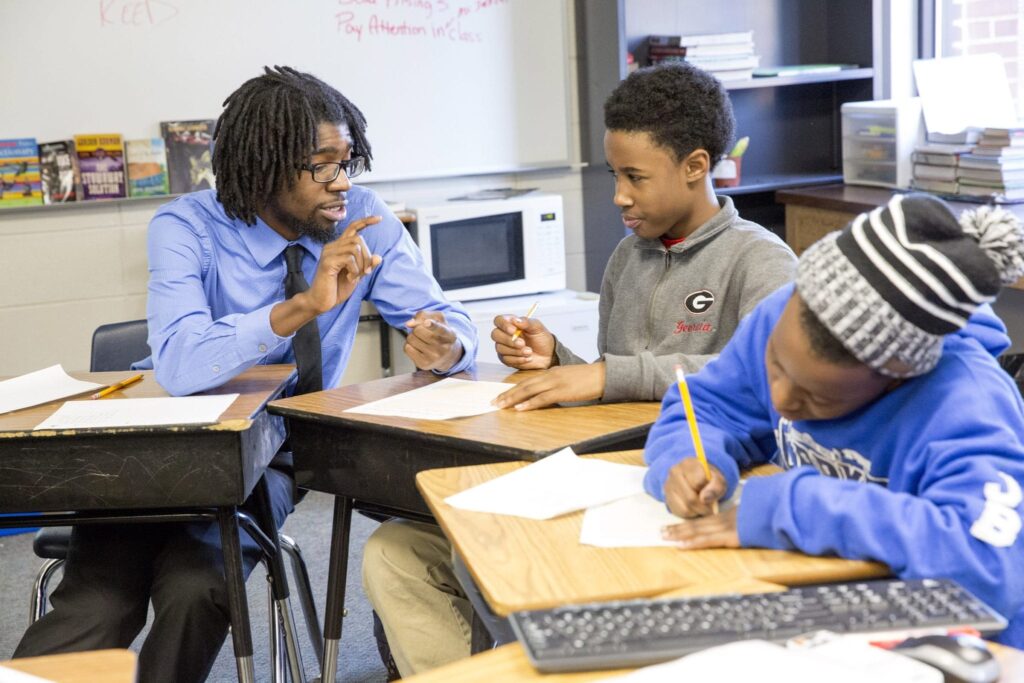
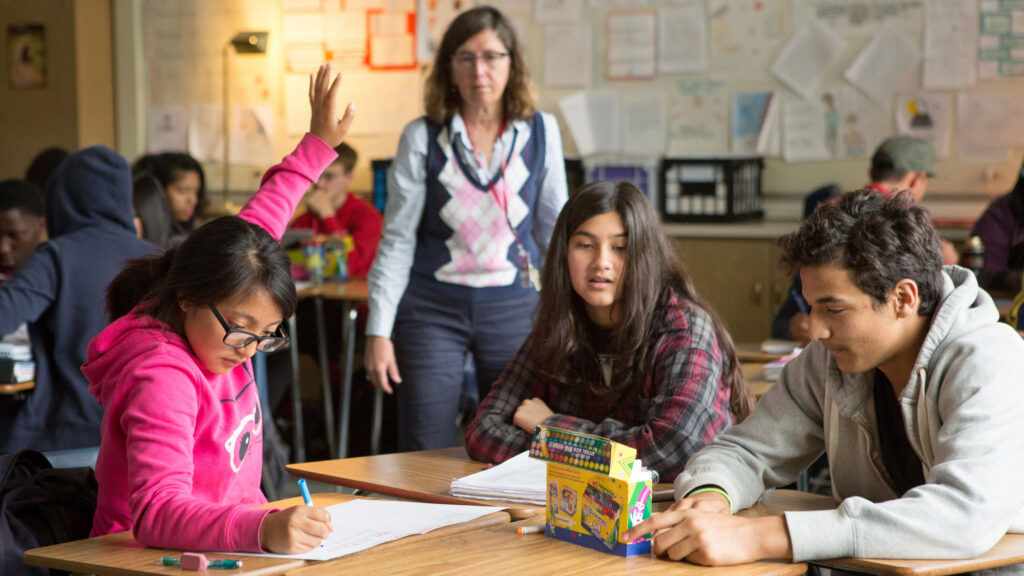
When people discuss college and career opportunities in Maryland, most of the attention goes to high schools. High schools are praised for their Advanced Placement (AP) classes, dual enrollment programs, internships, career pathways, leadership organizations, and college preparation resources. But the question nobody asks enough is: Why are students expected to wait until high school to access these opportunities?
Middle school students are capable of far more than the education system currently expects from them. Yet many schools continue to limit opportunities during one of the most important developmental stages in a student’s life.
Some Maryland middle schools do offer strong programs. Certain schools provide STEM opportunities, accelerated math tracks, student leadership programs, robotics clubs, arts enrichment, career-focused academic pathways, or internships. This proves that middle school students can handle advanced opportunities when schools choose to invest in them. However, these opportunities are not equally available across the state. Too many middle school students are told to “wait until high school;” but by then, many have fallen behind academically or lost confidence in their abilities.
This issue especially impacts students from low-income backgrounds and underrepresented backgrounds. Some students arrive already knowing about leadership programs, public speaking, STEM careers, and college pathways because they had access in middle school. Others enter high school trying to catch up.
Maryland has the resources, ability, and even the imperative from the Maryland Blueprint to change this problem. If some middle schools can already provide these opportunities, then the state should work toward making them available more consistently within and across all districts — not only in wealthier areas or highly funded schools.
One solution would be expanding career exploration programs starting in middle school. Students should have opportunities to explore fields such as nursing, law, engineering, technology, education, and international relations before high school. Schools could partner with local colleges, businesses, and community organizations to provide workshops, mentorship programs, and real-world experiences for younger students.
Another solution is increasing access to advanced academic courses earlier. Many middle school students are ready for more challenging coursework but are not given the chance because schools underestimate their potential. Offering stronger honors programs, accelerated classes, and academic support could help students feel more prepared and confident before entering high school.
Schools should also invest more in student leadership and extracurricular programs at the middle school level. Leadership skills, communication, and confidence are not built overnight. Students need time and opportunities to develop these abilities before high school.
Education equity should not begin at ninth grade. By the time students reach high school, opportunity gaps have often already formed. If Maryland truly wants to prepare students for college, careers, and leadership, then investment must begin earlier.
Middle school students are not “too young” for opportunity. They are waiting for adults to believe they deserve it.
Natalia Mendizabal is a student in Montgomery County Public Schools and a youth researcher in EdTrust’s first YPAR cohort
Photo by Dorothy Kozlowski


 July 13, 2026 by Natalia Mendizabal