Every learner deserves access to high-quality pathways. From elementary school through high school, students should have access to the guidance, experiences, and opportunities they need to make informed decisions and achieve their goals.
What Are Pathways?
Pathways are intentional, supported routes that help learners explore their interests, build skills, and prepare for life after high school. In an ideal system, every learner — no matter their race, ethnicity, gender, income, language, or ability — can be equipped with the skills, knowledge, and information to confidently navigate opportunities that align with their ambitions and lead to meaningful postsecondary and career options and economic mobility. Pathways should offer students multiple entry points, chances to explore and change direction, and clear connections between learning experiences and future opportunities.
What Every Learner Deserves
All learners should have access to promising paths to postsecondary education and careers. Achieving this requires that students have the opportunity to develop meaningful relationships with adults and opportunities for belonging and connection. All learners must also have equitable access to consistent, culturally responsive, and linguistically accessible guidance, beginning no later than middle school. Students should have access to college and career navigators — such as licensed school counselors and other designated professionals — who understand learners’ unique assets, needs, and interests and can remove barriers to participation and help learners choose among many high-quality, inclusive, structured experiences designed to prepare them for a future that aligns with their postsecondary aspirations.
These experiences should include:
- Career and technical education (CTE), which combines academic and technical skills with knowledge and training for the labor market, preparing students for high-skill careers and further education
- Work-based learning, such as internships, job shadowing, and apprenticeships
- Early college opportunities, including advanced coursework, Advanced Placement (AP), dual enrollment, and/or early college high schools
- Programs that lead to industry-recognized credentials, high-quality degrees, and/or personally fulfilling careers
Learners should be empowered to explore and move between pathways, as their interests and goals evolve, supported by systems that remove barriers and expand access to high-quality options that prepare them to thrive in careers that align with their desired social, economic, and personal aspirations.
Photo by Allison Shelley/Complete College Photo Library


 August 26, 2026 by EdTrust


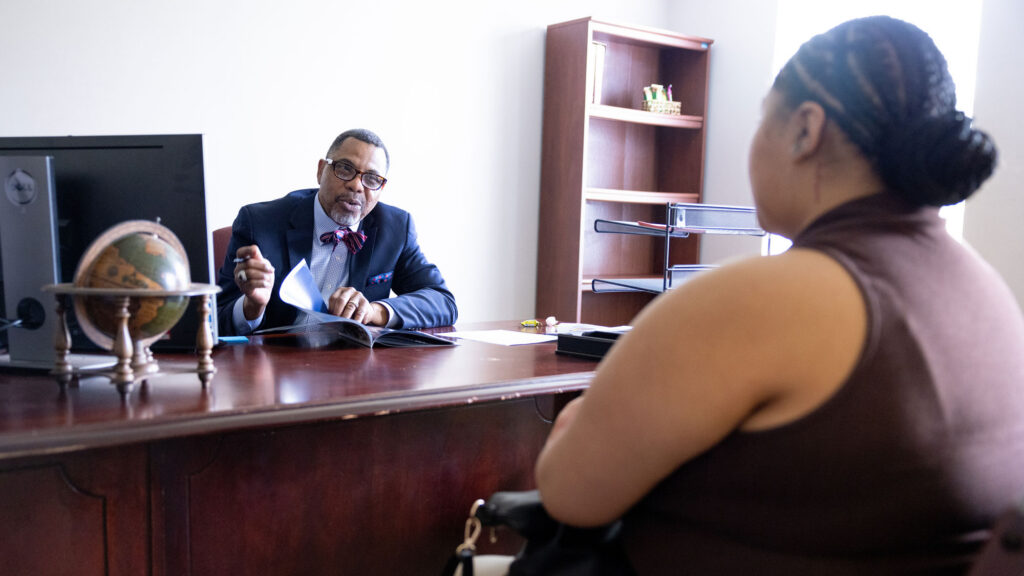
 College and career navigators are trusted adults who help students explore options, plan for the future, access opportunities, and successfully transition to postsecondary education and careers.
 There are too few school counselors. The average student-to-school counselor ratio is well above the American School Counselor Association’s recommendation for effective counseling (372:1 compared to 250:1). This disparity is even greater in schools serving more students of color and students from low-income backgrounds, largely due to both funding and personnel shortages.
 Too often, access to college and career counseling and advising depends on a student’s zip code, race, or income level. Policymakers have a crucial role to play in creating a more just and inclusive system in which every student receives the guidance and support needed to explore their interests, understand their options, and make informed decisions about their future. This includes addressing widespread gaps in access to state-licensed school counselors and other college and career navigators, ensuring that all students — especially those who have been historically underserved — can navigate pathways that lead to meaningful, rewarding careers.
 Federal and state policymakers must ensure that students, families, and the programs and adults who support them have access to clear, relevant, and user-friendly data. This information should empower students to make informed choices and enable school counselors and navigators to connect them with meaningful opportunities that reflect both their aspirations and workforce needs.
 High-quality college and career advising should be a fundamental part of every student’s educational experience, not a privilege available only in well-resourced communities. Policymakers must actively support efforts to address the challenges schools face in providing adequate college and career advising. This requires increased investments in staffing and training, both within schools and through community-based partnerships with expertise in engaging and mentoring underserved youth. These efforts should also include understanding the root causes and scale of these challenges and implementing targeted solutions to ensure all students have the guidance they need to succeed.
 To ensure the college and career readiness field uses the most effective and equitable college and career advising and navigation strategies, policymakers must facilitate and invest in research and the scaling of best practices. These efforts will empower students to make informed choices and successfully navigate their pathways to success. Policymakers must also prioritize the creation of resources and tools that enable navigators to provide evidence-based, equitable, high-quality guidance to all students.
 Policymakers must foster and support partnerships between local education agencies (LEAs), colleges, universities, community-based organizations, and industry to ensure seamless transitions for all students from high school to postsecondary education and the workforce. These policies should strengthen access to high-quality work-based learning opportunities, especially for historically underserved students.
 Policymakers should ensure that advising remains grounded in trusted relationships between students and adults who hold high expectations for them. Technology, including AI, should support counselors in strengthening these relationships, not substitute or replace them.
 May 27, 2026 by