Key Findings
While the UC system has student debt levels below the threshold associated with unmanageable repayment, affordability doesn’t equate to equitable access. Indigenous students represent just 0.6% of UC enrollment, highlighting persistent underrepresentation.
Student interviews reveal that campus climate plays a crucial role in shaping Indigenous students’ sense of belonging, well-being, and academic success. Participants described feelings of isolation, limited visibility of Indigenous culture, a lack of Indigenous faculty, and experiences of racial insensitivity in classrooms. Institutional support was often perceived as insufficient, with students relying heavily on peer networks and underfunded cultural organizations rather than university systems. Many students also expressed concerns about workforce preparedness and the economic value of a bachelor’s degree, questioning the return on investment amid rising costs and uncertain labor market outcomes.
Implications for Equity at Land-Grant Institutions
Taken together, the findings suggest that land-grant institutions are not fully delivering on their mission of access, equity, and economic mobility for Indigenous students. Enrollment alone is an insufficient measure of success; meaningful equity requires culturally responsive support, inclusive policies, and institutional accountability.
Policy Recommendations to Support Indigenous Student Success
The brief offers actionable recommendations for federal, state, and institutional leaders. These include:
- Expanding financial aid and tuition-free programs for Indigenous students at both the undergraduate and graduate levels
- Revising eligibility criteria to recognize diverse forms of Indigenous identify
- Strengthening partnerships with tribal colleges and communities
- Investing in Indigenous faculty recruitment and retention, and
- Ensuring that there are culturally grounded student services and career pathways
Coordinated policy action is essential to honor tribal sovereignty, address historical injustices, and ensure that land-grant universities fulfill their public mission for Indigenous students today and in the future.
The authors are: Durriya Ahmed, 2024-2025 Higher Ed Research Intern, Brianna Huynh, 2024-2025 Higher Ed Research Intern and 2025-2026 Nichols Fellow, and Paulina Fraser, 2024-2025 Nichols Fellow
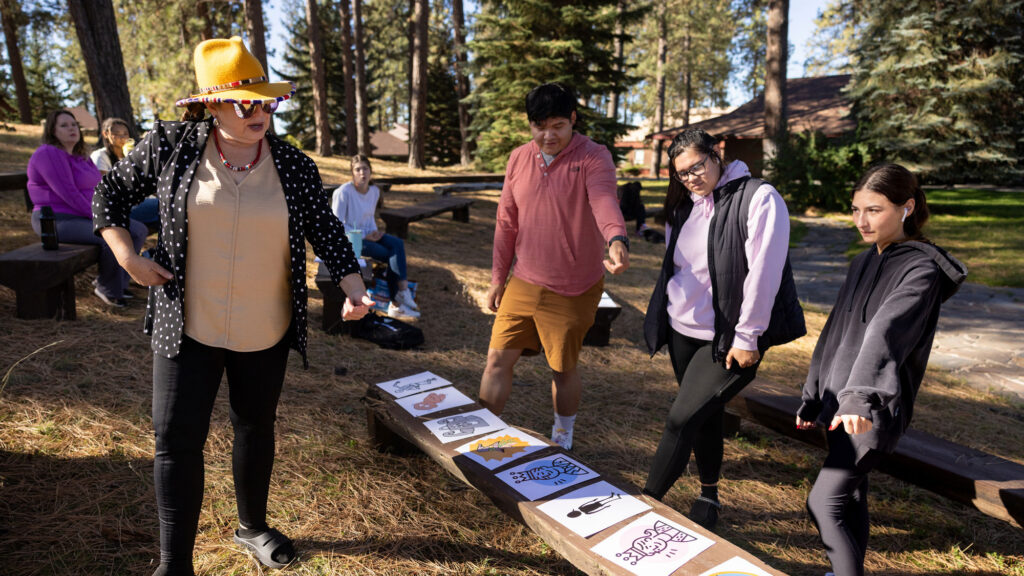
Photo by Allison Shelley/Complete College Photo Library

 February 11, 2026 by Durriya Ahmed, Brianna Huynh, Paulina Fraser



 February 12, 2025 by