

How Land-Grant Institutions Can Better Serve Indigenous Students
 February 11, 2026 by Durriya Ahmed, Brianna Huynh, Paulina Fraser
 These institutions were founded on the premise of accessible education, but how accessible are they to Indigenous students?

Federal Rulemaking Recap for Postsecondary Program Accountability: What Changed and What It Means for Higher Education
January 15, 2026 by Roxanne Garza The U.S. Department of Education (ED), signed off on regulations that would require all postsecondary programs to pass a single earnings test to remain eligible for federal student loans
Consensus Reached, Questions Remain: The Workforce Pell Rulemaking Recap
December 19, 2025 by Roxanne Garza US Department of Education has concluded the first week of negotiated rulemaking to implement the new Workforce Pell Grant program
How the Elimination of Grad PLUS Loans and Classification of Professional Degrees Harm Women and Students of Color
OBBBA’s new regulations impose a lifetime limit on all federal student loans, including undergraduate. This means many students may reach their borrowing limit before completing their degree
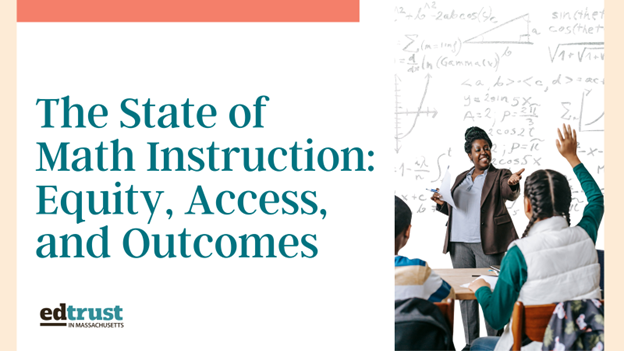
The State of Math Instruction: Equity, Access, and Outcomes
December 16, 2025 by EdTrust-Massachusetts This research brief illuminates two foundational pillars of effective math education in Massachusetts: the adoption and implementation of high-quality math curricula, and the availability of educators capable of delivering rigorous and engaging math instruction

Mapping Postsecondary Pathways: Understanding State Student College Enrollment Trends
More students are attending college, and some are seeking more affordable routes to good jobs through community colleges, short-term credentials, and apprenticeships

Making the New Higher Education Accountability Framework Pay Off
October 08, 2025 by Roxanne Garza Without stronger accountability, students from low- and middle-income backgrounds risk being burdened by debt with little chance of advancing up the economic ladder
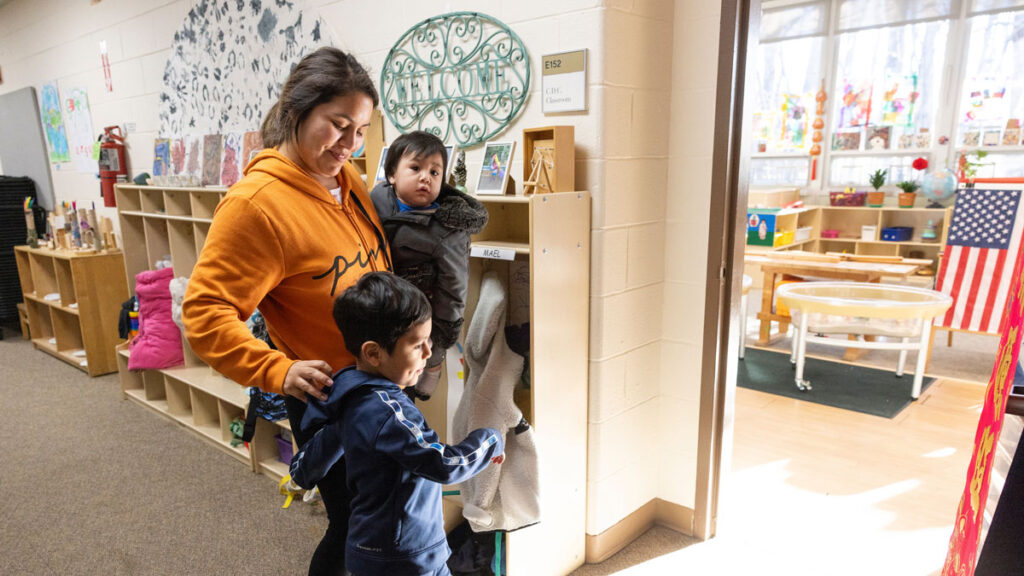
Supporting Student-Parents at Two-Year Colleges: Addressing the Affordability Gap
Student-parents at community colleges pay at least $13,000 more per year, on average, than their peers without children once the full cost of attendance is factored in, an EdTrust brief finds

5 Ways to Create Fair School Funding Formulas
May 20, 2025 by Qubilah Huddleston EdTrust believes that state school funding systems should provide adequate and equitable funding levels to address students’ individual needs