Accreditation Needs Reform. ED’s Forthcoming Proposed Rule Misses the Mark

The Department of Education's forthcoming proposed rule on accreditation would weaken accountability, erode academic freedom, and expand political influence over higher education

files July 23, 2026 by Robbie Ha
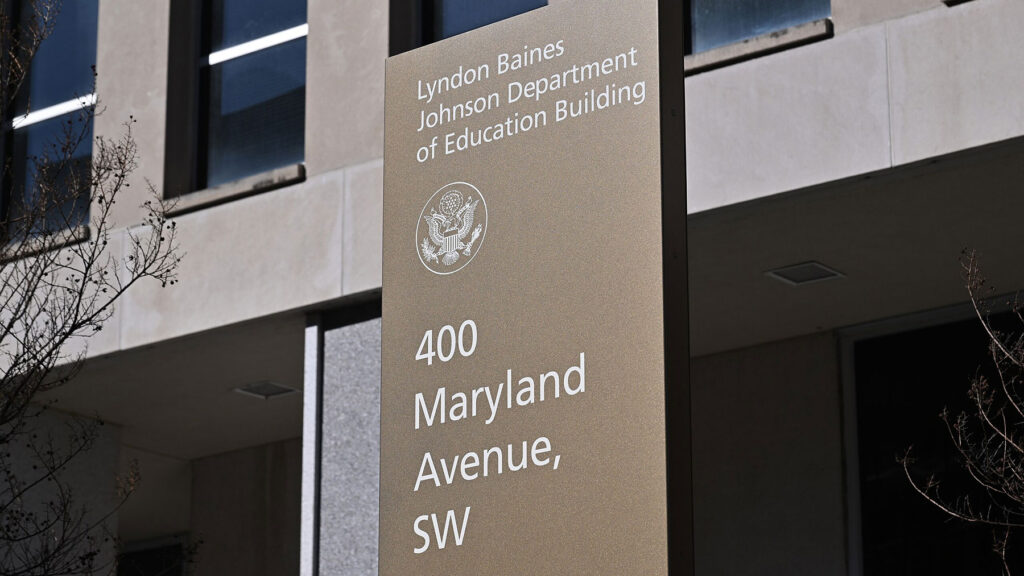
Close up of sign outside of the Department of Education building in Washington DC

This summer has already brought the most significant changes to higher education policy in nearly two decades, driven by last year’s One Big Beautiful Bill. But another major shift has received far less attention: the Trump administration’s proposed overhaul of accreditation.

Within weeks, the Department of Education (ED) is expected to release its proposed rule on accreditation, which will closely mirror the 163-page draft regulatory language approved by negotiators in May. Once published, stakeholders will likely have 30 days to submit public comments. This brief explains what the proposed draft regulations would change, why they matter for students and institutions, and why stakeholders who value consumer protection, academic freedom, and student supports in higher education should start preparing their public comments now.

What’s at Stake?

The draft regulatory language’s provisions would weaken accreditors’ role as independent watchdogs for consumer protection and educational quality while requiring them to enforce the administration’s legally flawed interpretations of “academic freedom,” “viewpoint and ideological neutrality,” and “civil rights.” These changes could make it easier for institutions to evade accountability, encourage self-censorship, and undermine student supports and academic independence.

Who Would Be Most Affected?

If finalized as currently drafted, the regulations would disproportionately harm students of color and students from low-income backgrounds, while weakening protections that benefit all students. The changes could also reshape how colleges, universities, and accreditors make decisions about curriculum, student supports, and institutional oversight.

What Should Stakeholders Do Now?

With the public comment period expected to last just 30 days, stakeholders should begin preparing now to ensure the consequences of these changes are part of the public record before the rule is finalized.

While too many institutions and accreditors have already succumbed to political pressure rather than resisting the administration’s broader assault on higher education, stakeholders can’t afford to stay silent — especially at a time when policymakers at both the federal and state levels continue to erode consumer protections, academic independence, and supports for the students who need them the most.

Photo credit: copyright 2025, G. Edward Johnson. CC-By Attribution