


Fewer Credits, Same Value? The Rise of Reduced-Credit Bachelor’s Degrees
 September 21, 2026 by Tionna Ellis
 Since many students are reconsidering the traditional four-year degree, some colleges and universities are proposing shortened bachelor’s degree programs. Is this a good thing?

Closest to the Problem, Closest to the Solution: Five Years of the Justice Fellows Policy Program
August 12, 2026 by Duke Cruz Dela Rosa In 2021, EdTrust launched the Justice Fellows Policy Program to give justice-impacted students a voice to help shape higher education policy and become leaders

What Happens When Grad PLUS Loans Disappear?
 July 23, 2026 by Noppakan Sirikul, Tionna Ellis, Tihirah Ruffin, Brianna Huynh
 State fact sheets show how ending Grad PLUS loans will widen funding gaps, increase private borrowing, and strain graduate education and workforce pipelines
Massachusetts Poll Shows College Interest Slipping Amid Growing Gaps in Readiness and Access
 June 10, 2026 by EdTrust-Massachusetts
Second Chances Require Investment — Not Contradiction
April 30, 2026 by William Freeman III Access to education during incarceration is one of the most reliable pathways to economic stability after release
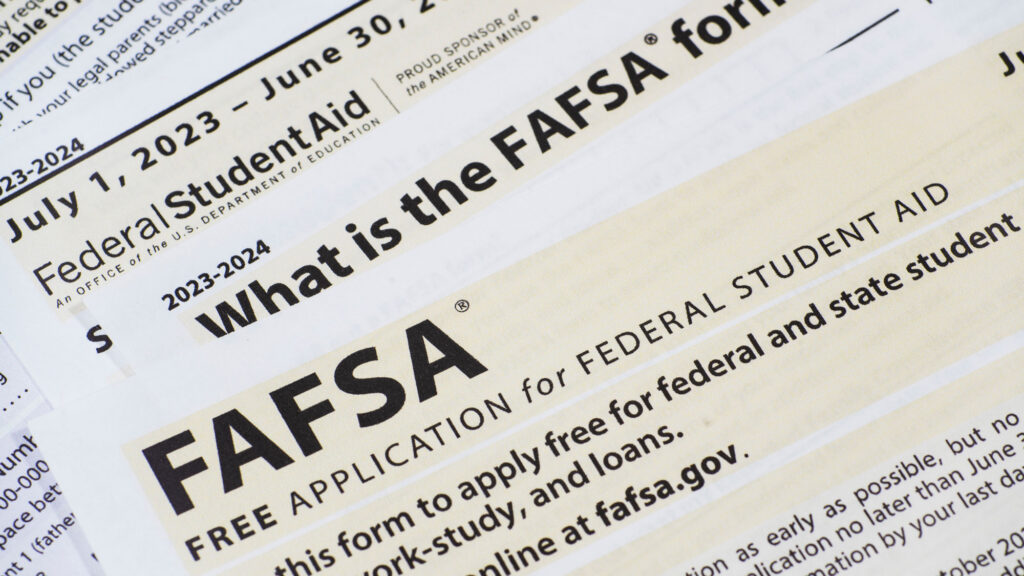
Understanding the Implementation of Universal FAFSA Completion Policies in Colorado, Illinois, Indiana, and Louisiana
A study of universal FAFSA policies in four states finds that they are most effective and equitable when combined with dedicated funding, opt-out flexibility, strong support networks, accountability systems, and policies that promote college attendance
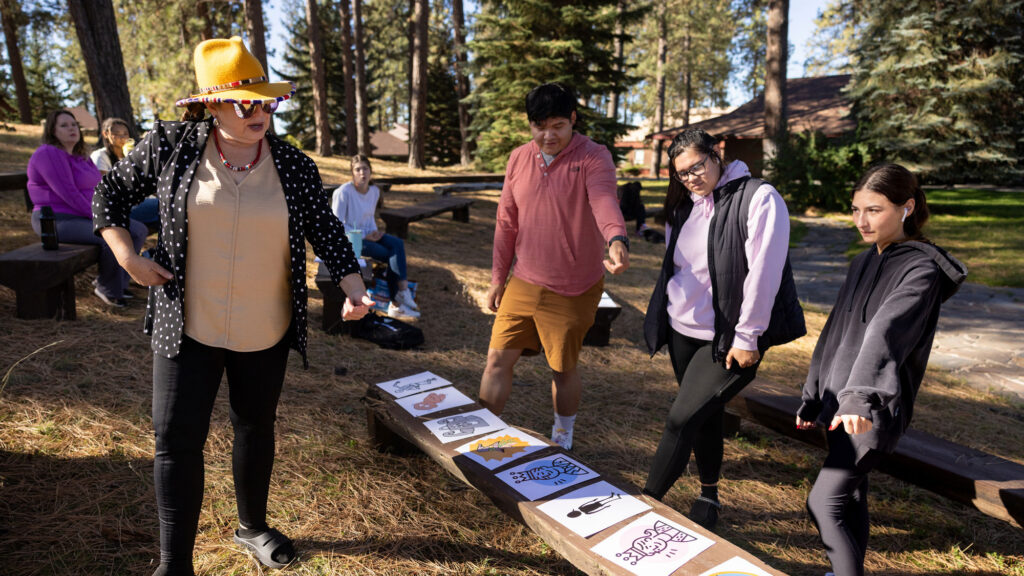
How Land-Grant Institutions Can Better Serve Indigenous Students
 February 11, 2026 by Durriya Ahmed, Brianna Huynh, Paulina Fraser
 These institutions were founded on the premise of accessible education, but how accessible are they to Indigenous students?
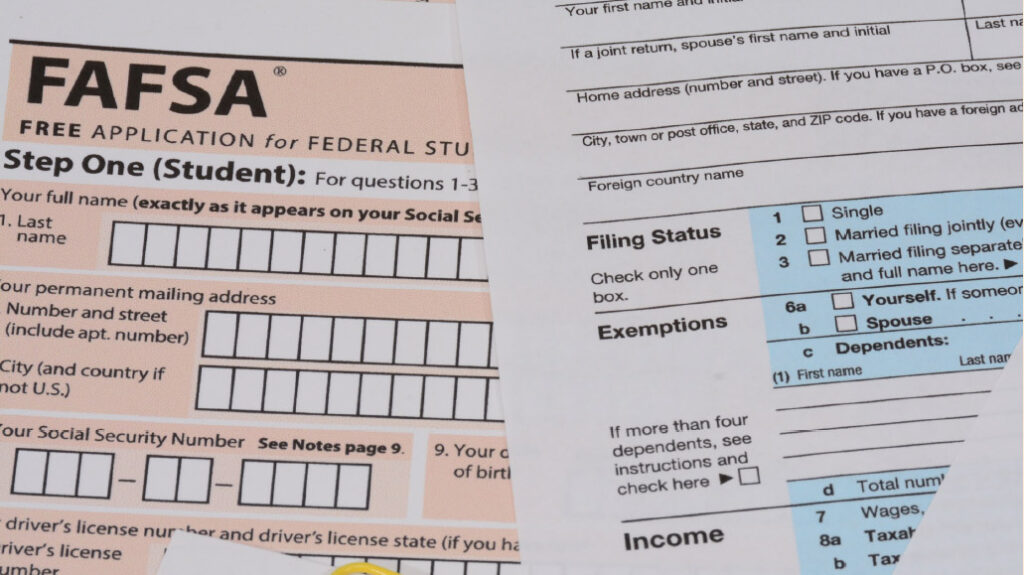
The FAFSA Changed My Life. Requiring Students to Complete It Could Transform Thousands More
February 04, 2026 by Chanthy Lopes Toro For students from low-income backgrounds, going to college can seem like an impossible dream. But the key to making that dream a reality often lies in completing a single form
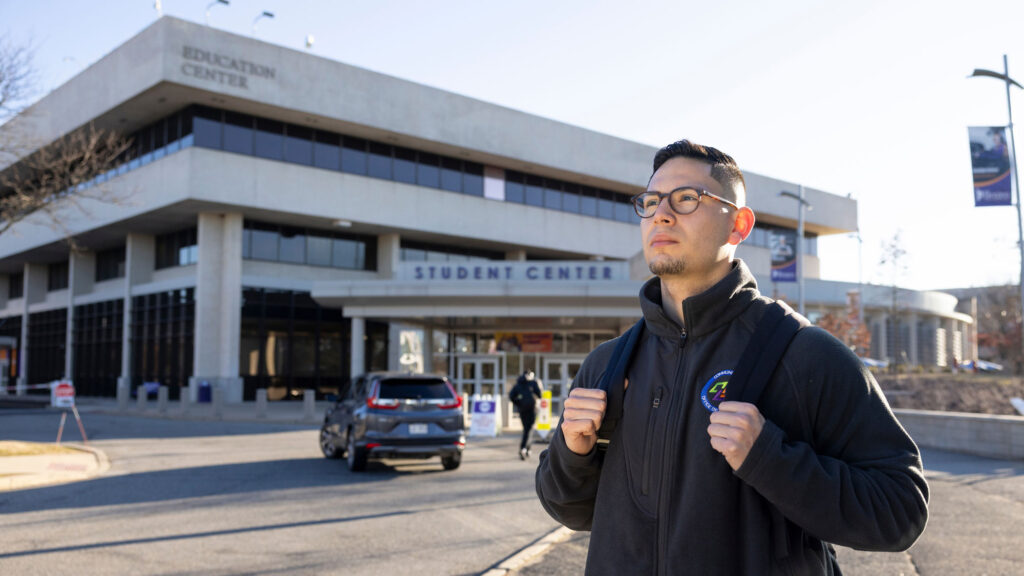
From First-Gen to First-of-Many: How TRIO Changes What’s Possible
 December 19, 2025 by EdTrust-Louisiana
 TRIO programs open college pathways for students who are first-generation, low-income, and from groups historically excluded from higher education