Federal student aid isn’t charity. It’s an investment in the future of the United States and part of a promise to help students become a thriving part of the country’s economy. It’s an investment that is desperately needed today as students and graduates struggle with everyday costs of living and reaching historical life milestones, like starting a family or buying a home. We are in the middle of a crisis, where basic needs, like housing, groceries, utilities, and healthcare, are already unaffordable for most and fall even heavier on students eager to contribute to the economy by accessing a college degree.
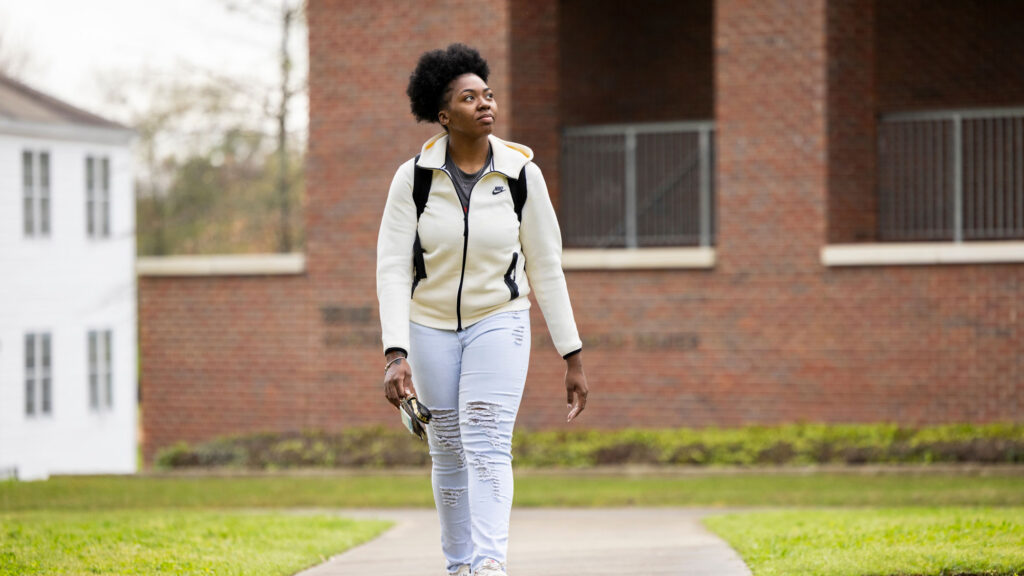
The affordability and student crisis is especially pronounced for Black women. Current estimates highlight that more than 600,000 Black women are out of work. In fact, EdTrust’s research has shown that Black women make less money, borrow more for education, and struggle more to pay back student debt than their peers.
An Attack on a National Promise
The alternative to federal student aid is private student loans. And, while also an investment, private student loans are just investments for shareholders and CEOs who tend to care more for their bottom lines and profitability than the economic well-being of students who receive those loans.
Unfortunately, the Trump administration and the Republican-led House of Representatives are intent on cutting access to financial aid programs that most benefit students of color, students from low-income backgrounds, and first-generation students — and steer them either out of higher education or toward the private student loan market.
In the One Big Beautiful Bill Act, Grad PLUS loans — a critical financial tool that allowed students seeking graduate and professional degrees to borrow up to the full cost of attendance — were eliminated, and new, stricter caps on graduate borrowing were imposed to limit aid to pay for pathways into high-need professions like education and social work. Now, both the president’s and Republican House budget proposals would continue to cut billions from higher education, including a House proposal to cut federally protected subsidized student loans.
The effect of these policy decisions could be disastrous for society if students choose not to pursue advanced degrees in critical areas of the workforce. But the impact could be equally devastating if students turn to the private loan market.
We Need to Address Root Causes
I am not arguing the college financial aid system in the United States is perfect or was functioning well before January 2025. The fact is that the system has significant flaws. Student loan debt is dragging down millions of borrowers — with the heaviest burden weighing on Black students and students from low-income backgrounds. The average borrower carries nearly $40,000 in student loan debt, and Americans collectively owe more than $1.8 trillion.
Our financial aid system is threatening the careers and financial futures of millions of students entering and returning to college. Students and borrowers are cutting back on their spending to keep up with student loan payments. There are now close to 8 million borrowers in default; and since January 2025, there have been nearly 4 million student loan defaults — the highest level in the 60-year history of the federal student loan program.
Yet, instead of addressing the root causes of rising college costs or supporting students for whom the financial aid bargain has soured, the Trump administration is moving in the opposite direction — abandoning students of color and students from low-income backgrounds and making private student loans the primary means to pay for higher education and career preparedness.
The Dangers of Private Lending
Private student loans are widely recognized as one of the most dangerous ways to pay for college. They offer few consumer protections, harsh repayment terms, and little flexibility when borrowers struggle to repay. It’s no wonder only about 6% of students at four-year colleges rely on them.
Yet, we only need to look to the past to know this number will increase. Prior to Grad PLUS loans, students from low-income backgrounds were forced to choose between paying out of pocket for school, abandoning their education and career goals, or turning to private loans that carried higher costs and greater risks. Thirty percent of professional degree recipients relied on private loans.
We know that Black and Latino students are more likely to default on private student loans than their white peers, and Black students are more likely to be targeted by seedy and subprime lenders because they are also more likely to lack familial wealth, assets, and a strong credit history.
Today, the sharks are already circling. Colleges already partner with banks and credit card companies to market often risky financial products to students. Now, some colleges and universities are exploring formal partnerships with private student lenders.
Where We Go from Here
The federal government appears intent on making college the purview of white and wealthy students.
States must fill the gap and make college more affordable and representative of the diversity of the United States. First, states should assess workforce needs and create targeted, affordable pathways. Second, states should expand state grant aid for graduate students in high-demand fields. Third, states must strengthen state regulations of private student loan providers. Fourth, states must implement forgivable loan programs for high-priority careers. And, finally, they must establish state graduate supplemental loan programs.
Together, we can protect and grow our state and national economies as well as make sure that higher education remains in reach for any person seeking that opportunity.
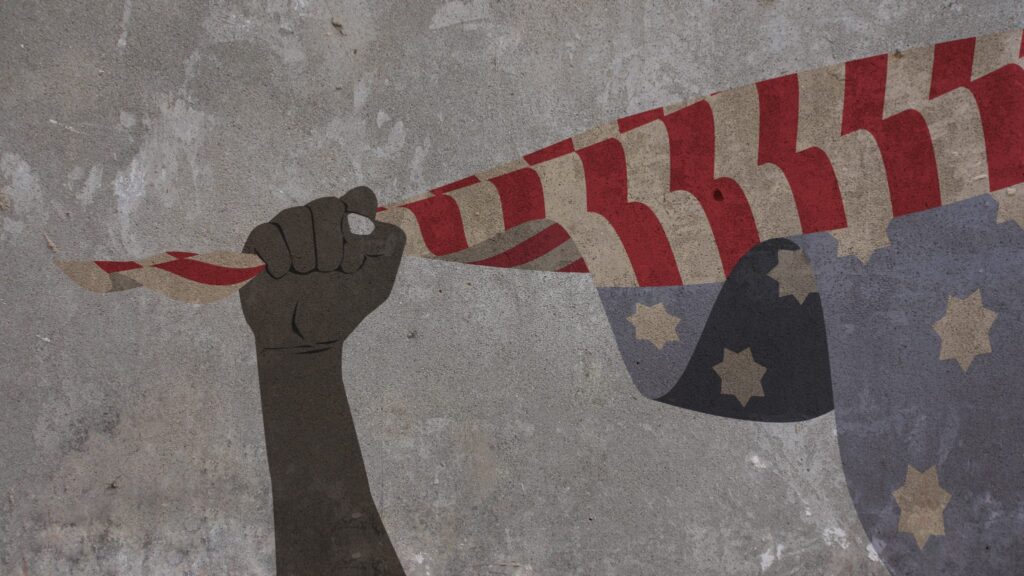
Illustration by habib rabbani on Unsplash
Series: CEO Perspectives


 July 20, 2026 by Denise Forte